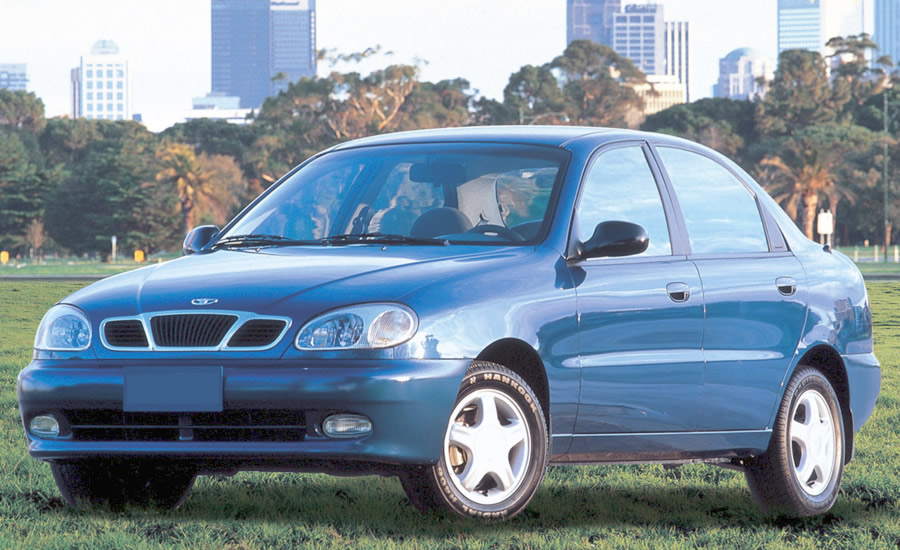
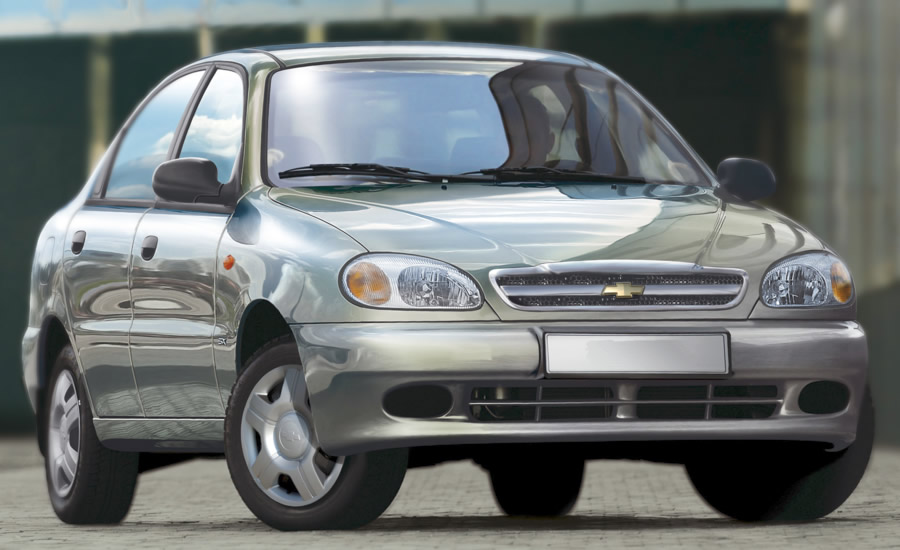
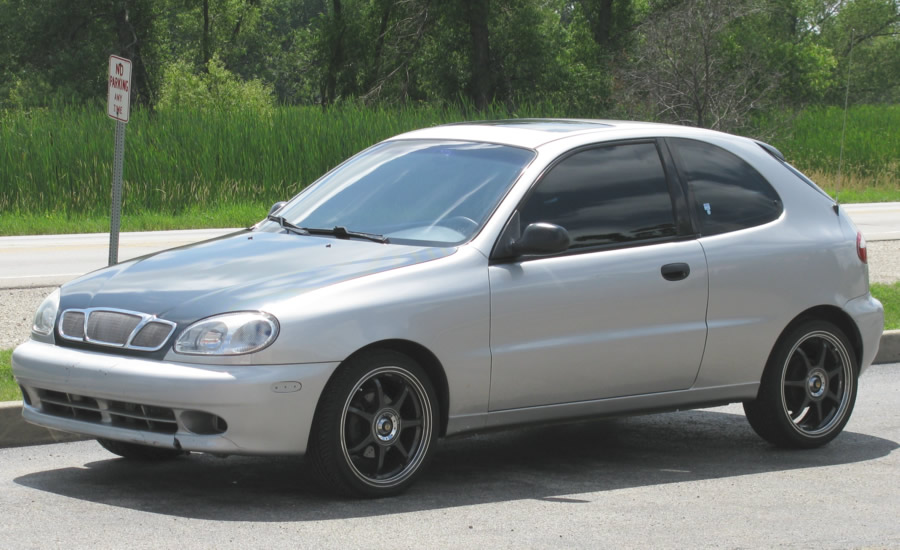
The body was designed by Italian designer Giorgetto Giugiaro and was initially presented in three body styles - three-door and five-door hatchbacks and a four-door saloon. In 2006, a panel van version was also introduced. The body code designation at launch was T100, after the update in 1999, the body was designated by the code T150. The engine is located at the front with front-wheel drive.
Chevrolet Lanos T150, sedan
MacPherson type front suspension with springs and stabilizer bar, fully independent. Rear spring semi-independent. Brakes of front wheels are disk, rear ones are drum. The steering mechanism is rack-and-pinion, on some models with hydraulic power steering. Ground clearance is 165 mm. Trim levels are designated as S, SE, SE Plus, SX and SPORT (later versions).
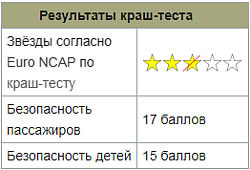
The car's safety is not at a high level. The entry-level trim (S) does not have an airbag. Inertial diagonal seat belts are installed for all passengers, except for the rear middle one, there is only a lap belt. Euro NCAP crash tests in 1998 gave the car a low rating - three incomplete stars. In 2006, they also conducted a crash test using the ARCAP method, which rated the car only two stars out of four. The results are quite low, although in this price category they are above average.
Daewoo Lanos, 3-дверный hatchback
1.5 liter engine (with a capacity of 86 hp) developed on the basis of the Nexia engine with the same working volume, but with some design modifications in the power supply and ignition systems. To reduce the toxicity of the exhaust, in order to comply with Euro-2 standards, the engine is equipped with a recirculation system and a catalytic converter. The engine has a volume of 1.6 liters, 16 valves (106 hp), which made it more powerful and economical.
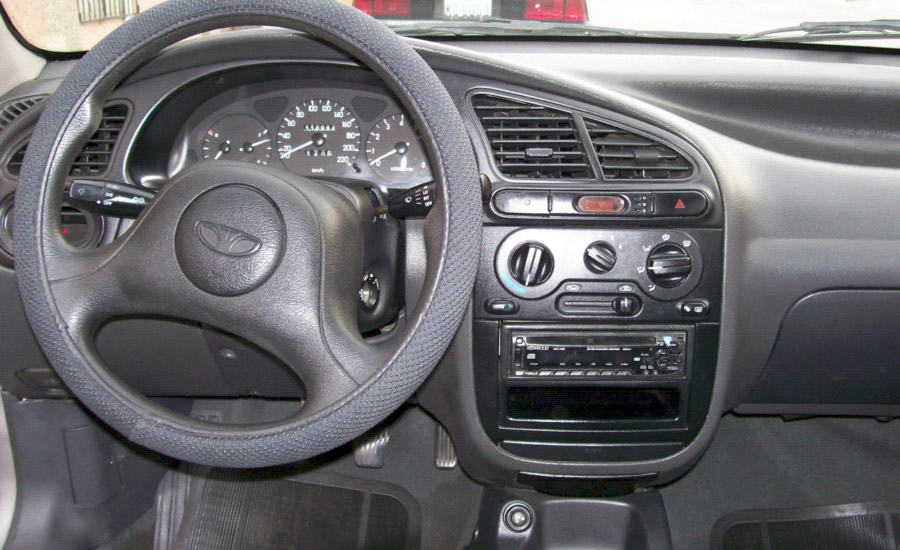
Interior Daewoo Lanos
A wide variety of Lanos clones around the world also have engines of other modifications. For example, ZAZ models are equipped with 1.3-liter carburetor engines with 63 hp, as well as 1.3- and 1.4-liter injection engines with 70 and 77 hp, respectively.
There were two transmission options - a 5-speed manual and a 4-speed automatic (GM 4T40E or ZF 4HP16).