


Universal tools
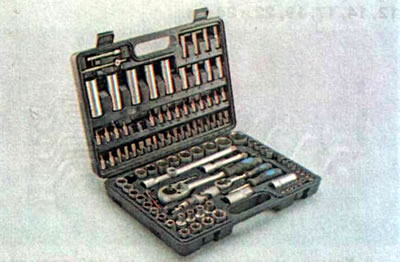
1. A set of socket wrenches with replaceable corners. The kit must include a set of replaceable heads with dimensions from 10 to 32 mm for a 1/2" (0.5 inch) connecting square. It is desirable that this kit contain the entire range of working profiles of metric size, as well as a special "spark plug" head of 16 mm (a deep head with a rubber ring inserted into it to hold the spark plug when it is removed). It is also necessary to have a second set of heads measuring from 6 to 14 mm for a smaller landing size (1/4") and an additional set of deep heads of 8, 10, 12 and 14 mm, designed for unscrewing nuts from long studs. It is very convenient to work if the set includes collars with a ratchet mechanism (ratchets). They allow you to quickly unscrew and wrap fasteners.
Warning. To avoid damaging the ratchet mechanism, do not use ratchets to loosen and tighten heavy-duty fasteners.
Since the car uses TORX bolts, as well as Allen bolts, the kit should include sets of corresponding heads and bits, as well as bits with a working profile for Phillips and slotted screwdrivers.
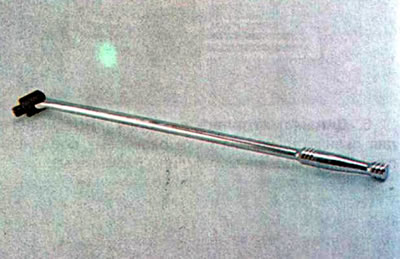
2. A ratchet with a hinge and a long handle. It is used to loosen large diameter threaded connections when significant force is required (for example, when loosening the front wheel hub bearing nut).
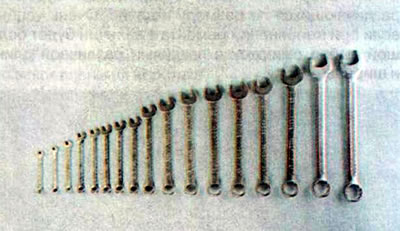
3. Set of combination wrenches (open-end and box-end wrenches) dimensions from 6 to 32 mm. It is desirable to have a full range of metric size keys available (through 1 mm).
Warning. Open-end wrenches are not designed to apply significant force to fasteners, as this will crush the edges of bolts and nuts. Tightening or loosening with such keys should only be done in cases where it is impossible to do so with socket or open-end keys.
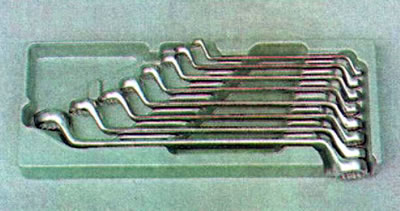
4. Set of open-end wrenches. It is useful to supplement the set of combination wrenches with open-end curved wrenches of the most common sizes: 10, 12, 14, 17, 19, 22 and 24 mm.
5. Set of Allen keys, size from 2 to 12 mm.
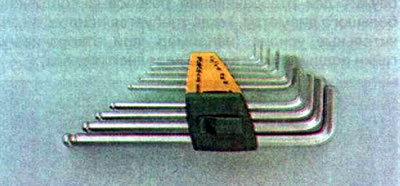
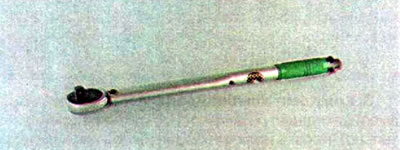
6. Torque wrench. Designed for final tightening of threaded connections with a specified force (torque).
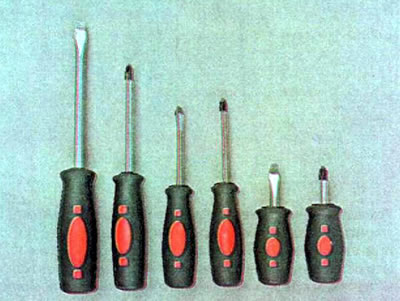
7. A set of Phillips and slotted screwdrivers, varying in size and length. It is very convenient if, when performing repairs, there is a large selection of screwdrivers with blades of different lengths and widths available.
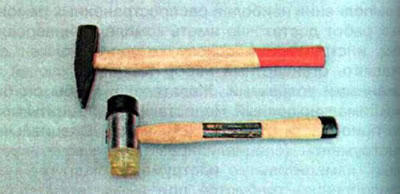
8. Hammers. It is advisable to have several trays with a steel striker weighing 250, 500, 1000 g, and also with a plastic or rubber striker.
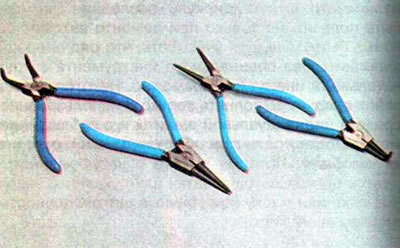
9. Nippers (side cutters), combination pliers, flat-nose pliers.
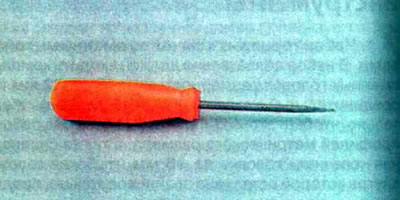
10. Awl.
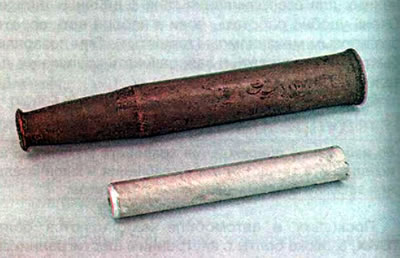
11. Soft metal punches (brass, copper, aluminum rods) for knocking out shaft axes.
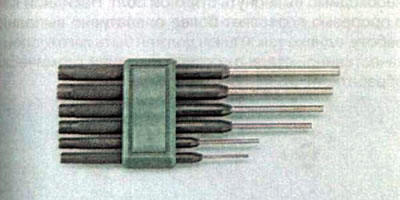
12. A set of steel punches and drifts for knocking out pins, cotter pins, etc.
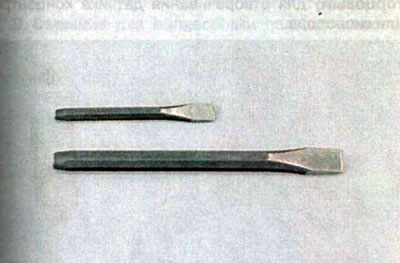
13. Chisel. It is better to buy two or three chisels with different blade widths. It is also advisable to have a long chisel for working in hard-to-reach places.
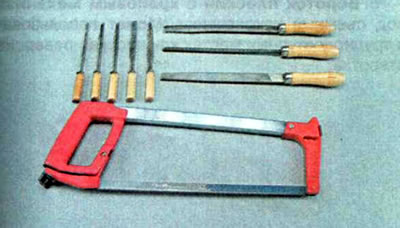
14. Hacksaw for metal, set of needle files and rasps.
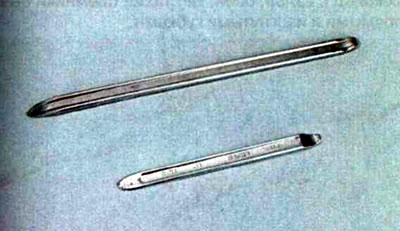
15. Mounting blade. You should have a set of two or three blades of different lengths that can be used as levers.
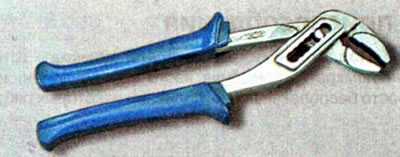
16 Sliding pliers.
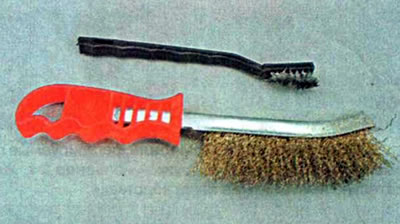
17. Metal brushes.
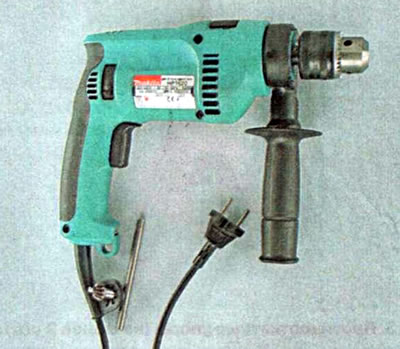
18. Electric drill with a set of metal drills up to 13 mm.
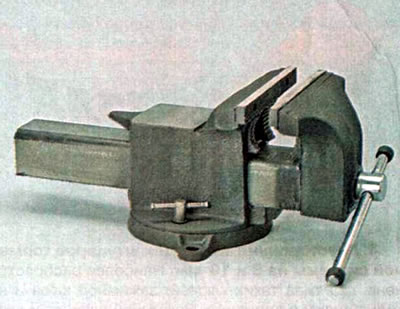
19. Bench vice. The vice must be securely fastened to the workbench.
[For details, visit the website CHEVYMAN.ru]