


Install and secure the wheel cylinder to the brake shield, connect the pipeline to it and tighten the nut of its fitting until it stops.
Attach lever 18 to the shoe (see figure 6-18) manual brake shoe drive and install the brake shoes with spacer bar 20, then install the struts 17 with springs and lower cups, install the upper springs and fix them on the struts by turning them in one direction or another. Make sure that the ends of the shoes are correctly positioned in the stop sockets on the wheel cylinder pistons and on the shield. Attach the end 15 of the rear cable to the lever 18.
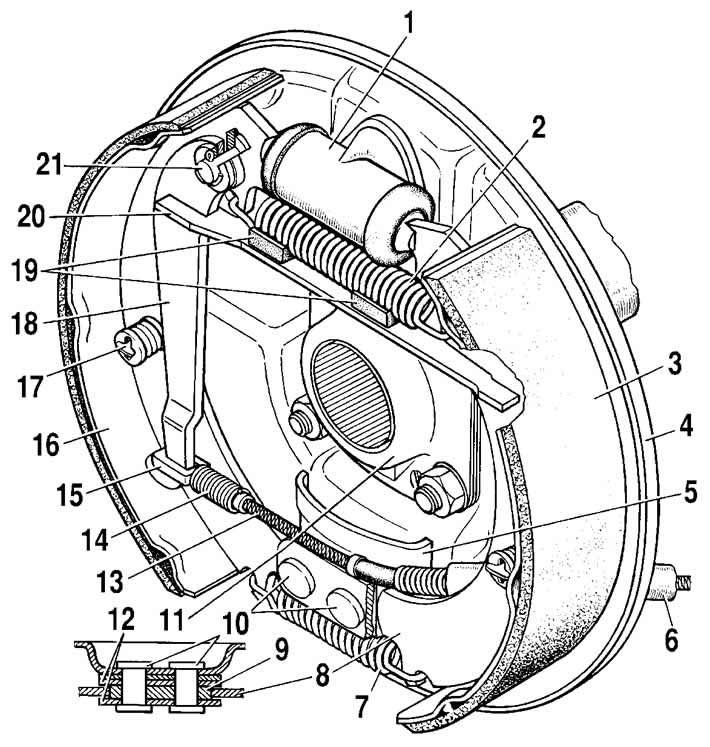
Figure 6-18. Rear wheel brake mechanism:
1 - wheel cylinder;
2 - upper brake shoe tension spring;
3 - pad pad;
4 - brake shield;
5 - inner plate;
6 - rear cable sheath;
7 - lower brake shoe tension spring;
8 - front brake shoe;
9 - Brake pad support plate;
10 - rivets;
11 - oil deflector;
12 - brake shoe guide plates;
13 - rear parking brake cable;
14 - rear cable spring;
15 - rear cable tip;
16 - rear brake shoe;
17 - support stand of the shoe;
18 - manual brake pad drive lever;
19 - rubber cushions;
20 - brake shoe spacer bar;
21 - finger of the manual brake shoe drive lever.
Install the brake drum, having previously lubricated the seat belt of the axle shaft (hub) with graphite lubricant or LSC-15 grease and tighten the drum mounting bolts until they stop.
Perform the above operations for the other rear wheel.
Adjust the parking brake drive following the recommendations set out in the subsection "Adjusting the parking brake".
Install the rear wheels and tighten the wheel nuts without tightening.
Lower the vehicle and tighten the wheel nuts.
Tightening torque:
- wheel fastening nuts from 85 to 95 Nm (from 8.5 to 9.5 kgf·m).
Press the brake pedal 2-3 times, check and, if necessary, top up the brake fluid level in the brake hydraulic reservoir.