


Contents: Carbon deposits ↧ Oil deposits ↧ The candle is too hot ↧ Early ignition ↧ Glazing ↧ Bridge the spark plug gap ↧ Normal candle ↧ Ash deposits ↧ Worn spark plug ↧ Detonation ↧ Spotted deposits ↧ Mechanical damage to the spark plug ↧
Carbon deposits
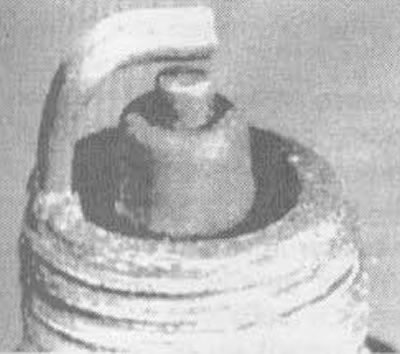
Signs
The presence of dry soot deposits indicates an over-rich mixture or a weak spark. Causes misfires, difficulty starting and engine instability.
Recommendations
Check for clogged air filter, too high fuel level, sticking choke, or worn distributor cap contacts. To prevent deposits from forming, use a spark plug with a longer core.
Oil deposits
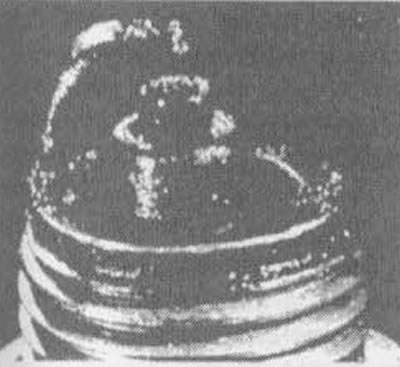
Signs
Oily coatings caused by incomplete oil removal. Oil leaks through worn valve guides or piston rings into the combustion chamber. This causes difficulty starting, misfiring and engine instability.
Recommendations
Correct the mechanical condition by carrying out the necessary repairs and install new spark plugs.
The candle is too hot
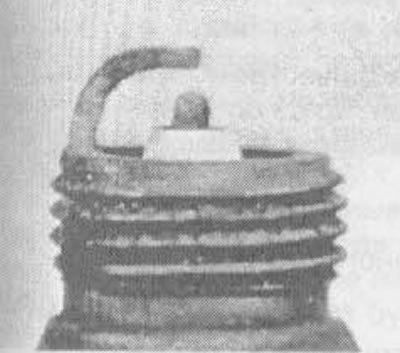
Signs
Blistered white insulator, corroded electrode and no deposits. Leads to a reduction in spark plug life.
Recommendations
Check to see if the spark plug is in the correct temperature range and if it is not pre-igniting (ignition timing is set too early), whether the fuel mixture is too lean, whether there is air leakage in the intake manifold, and whether the valves are stuck. Check the coolant level and make sure the radiator is not clogged.
Early ignition
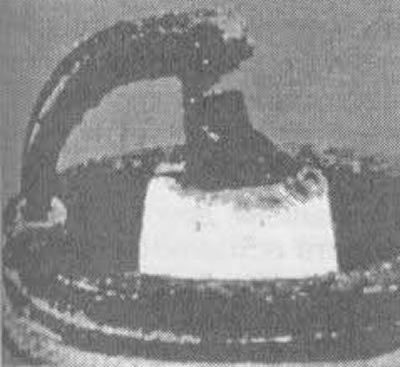
Signs
Melted electrodes. The insulators are white, but may also be dirty due to misfires or debris in the combustion chamber. Pre-ignition can cause engine damage.
Recommendations
Check the correctness of the spark plug temperature range selection; check if the ignition timing is too advanced, the fuel mixture is too lean, the cooling system is clogged, or there is a lack of lubrication.
Glazing
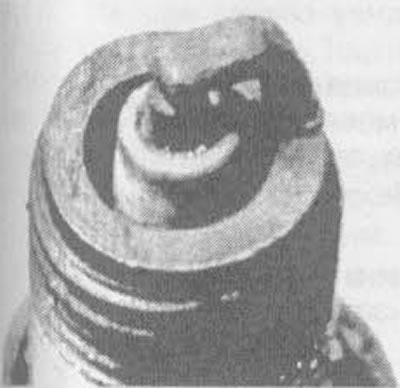
Signs
The insulator has a yellowed, glassy appearance. This indicates that under strong acceleration, temperatures in the combustion chamber increase sharply. Normal deposits melt and form conductive coatings. At high speeds this causes misfires.
Recommendations
Install new spark plugs. Consider using colder spark plugs if you don't want to change your driving style.
Bridge the spark plug gap
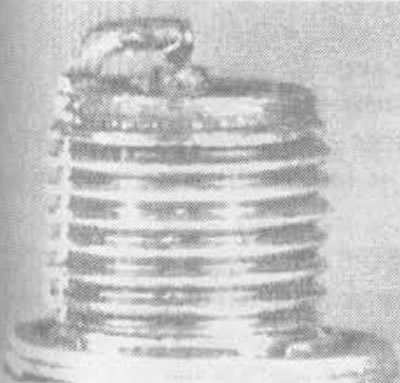
Signs
Combustion product deposits have formed between the electrodes. Heavy deposits have accumulated and formed a bridge across the electrode gap. The formation of a spark in the spark plug stops, which leads to the absence of ignition of the combustible mixture in the cylinder.
Recommendations
Find the failed spark plug and remove the deposits between the electrodes.
Normal candle
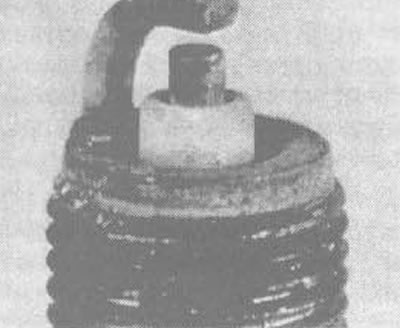
Signs
Brown to reddish brown in color and slight wear on electrodes. The engine thermal mode and operating conditions are selected correctly.
Recommendations
When replacing spark plugs, install new spark plugs of the same temperature range.
Ash deposits
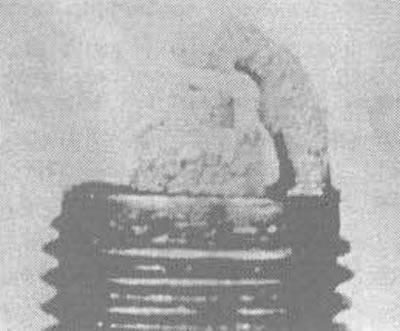
Signs
Light brown deposits form on the sides, central electrodes, or both. They are formed from additives to oil and/or fuel. Excessive amounts of these deposits can shield the spark, causing misfires and engine rough running under acceleration.
Recommendations
If excessive deposits build up over a short period of time or at low mileage, install new valve guide seals to prevent oil from entering the combustion chambers. Also try changing the brand of gasoline you use.
Worn spark plug
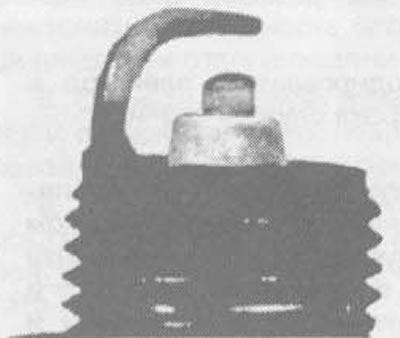
Signs
Rounded electrode edges with a small amount of deposits on the ignition end. Normal color. Causes difficulty starting the engine in damp or cold weather and leads to increased fuel consumption.
Recommendations
Replace the spark plugs with new ones of the same temperature range.
Detonation
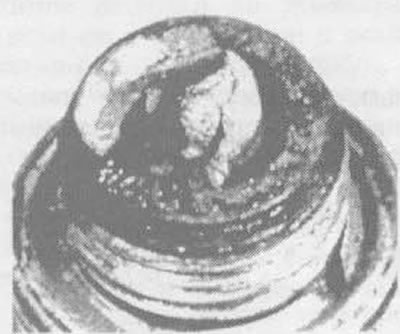
Signs
It is possible that the insulators will split or crack. Incorrect method of setting the interelectrode gap can also lead to crushing of the insulator head. All this can lead to damage to the piston.
Recommendations
Make sure the gasoline meets the engine requirements. Be careful when setting gaps on new spark plugs. Avoid overloading the engine (low rev operation with wide open throttle).
Spotted deposits
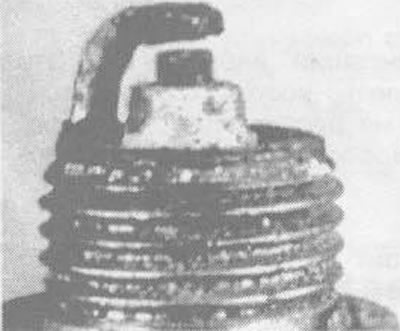
Signs
After long periods of misfire, deposits may dissolve when normal combustion temperatures are restored following proper adjustment. At high speeds, deposits fly towards the hot insulator, causing misfires.
Recommendations
Replace the spark plugs with new ones or clean the spark plugs and reinstall them in their original location.
Mechanical damage to the spark plug
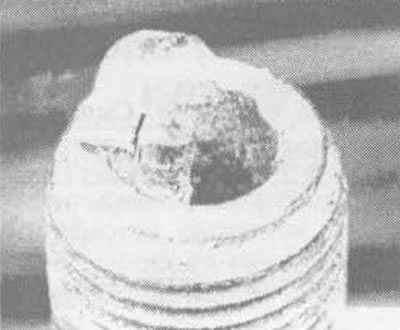
Signs
Such damage can be caused by the presence of a foreign body in the combustion chamber or by the piston hitting a spark plug that is too long. They result in no spark in the cylinder and can cause piston damage.
Recommendations
Remove foreign matter from engine and/or install spark plug with proper thread length.
(The article is based on data from the website: «CHEVYMAN»)