


If the fuel pressure is insufficient, the following malfunctions may occur:
- unstable engine operation;
- engine stop at idle;
- increased or decreased idle speed of the crankshaft;
- poor vehicle responsiveness (the engine does not develop full power);
- jerks and dips in engine operation when the vehicle is moving.
To begin with, we recommend checking the reliability of the electrical contacts in the wiring harness pads of the injection system units responsible for fuel supply (fuel pump, injectors).
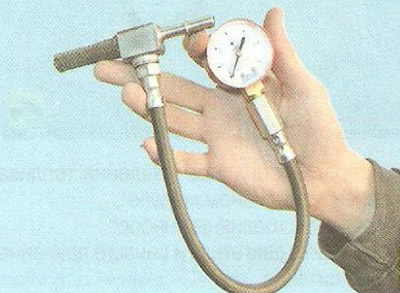
The fuel pressure in the fuel system can only be checked using a pressure gauge with a hose and an adapter for connection to the fuel rail.
1. Turn on the ignition and listen - within a few seconds you should hear the sound of the electric fuel pump. If the sound of the electric fuel pump is not heard, check the electric power supply circuit of the pump.
Note: If you have turned on the ignition three times without attempting to start the engine and the electric fuel pump does not start working again, this is not a sign of a malfunction. It will turn on simultaneously with the starter starting the engine.
2, Reduce the pressure in the fuel system (see "Decreased pressure in the engine fuel system").
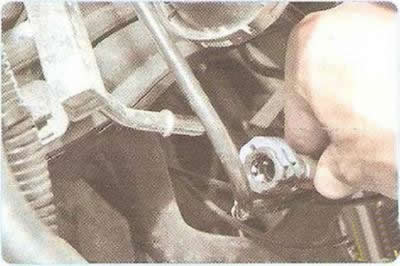
3. Press the fuel hose end retainers and disconnect the fuel hose from the fuel rail fitting.
Note: When removing the hose, some fuel may leak out. Wipe it off with a rag.
4. To check the fuel pressure, connect a pressure gauge with a measurement limit of at least 5 kgf/cm² to the gap between the fuel hose and the fuel rail fitting
5. Connect the harness connector disconnected when the fuel pressure dropped to the fuel module and start the engine. With the engine idling, the pressure in the line should be about 320 kPa (3.2 kgf/cm²).
The following are possible reasons for the decrease in fuel pressure:
- the fuel pressure regulator is faulty (installed in the fuel module);
- the fuel pump is faulty.
6. Stop the engine and reduce the pressure in the fuel system.
7. Disconnect the pressure gauge from the fuel hose and the fuel rail fitting.
8. Connect the fuel hose to the fuel rail fitting.
[The original source of the article is the website «chevyman»]