


Traction control system (TC). If one of the drive wheels starts to slip, the system reduces engine torque and brakes that wheel, restoring traction and maintaining vehicle stability on the road.
Electronic stability control system (dynamic stabilization) eSC car. Using sensors and actuators of the ABS system, this system corrects driver errors when cornering incorrectly and skidding occurs. The system compares the driver's actions (steering wheel angle, brake pedal force, gas pedal pressure) and the actual parameters of the vehicle's movement and, if they differ, then, by braking the wheels and changing the engine torque, the system stabilizes the trajectory of movement and stability, bringing the vehicle out of a skid.
Emergency braking system (Brake System). When the driver presses the brake pedal sharply, the system measures the force and speed of pressing the pedal and, if necessary, instantly increases the pressure in the brake system, ensuring braking with the greatest possible efficiency.
Warning. No matter how reliable active safety systems are, it is important to understand that they are not all-powerful and will not be able to protect you from trouble due to excessive speeding and reckless driving on the road. Also, these systems do not relieve the driver of responsibility for failure to comply with traffic regulations and incorrect assessment of road conditions.
Passive safety refers to the ability of a vehicle, its systems and components to preserve the life and health of the driver and passengers if an accident does occur. For this purpose, modern cars are equipped with an additional SRS safety system, consisting of airbags and seat belts, designed to mitigate the consequences of a traffic accident.
At the moment of the collision, the car stops abruptly, and all the people in the car continue to move at the same speed due to inertia. To avoid hitting the windshield, steering wheel or dashboard, it is necessary to smoothly but in a short period of time stop the inertial movement of the human body. For this purpose, special belts and airbags are used. The car is equipped with three-point inertia seat belts for all passengers.
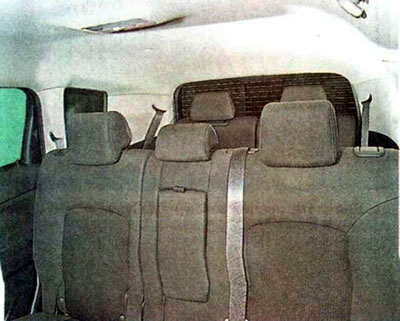
Warning. Always wear your seat belt and make sure all passengers do so. Unbuckled passengers in an accident can harm not only themselves, but also those who were buckled up.
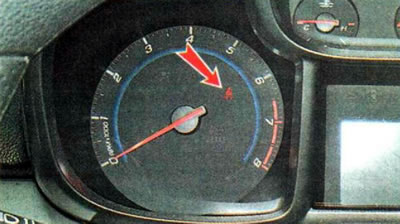
The driver's seat belt warning light is located on the instrument panel.
The front passenger seat belt reminder light is located on the centre console.
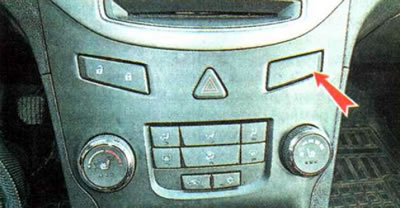
If the driver's seat belt is not fastened or has been unfastened while the vehicle is moving, the indicator lamp starts to flash.
To fasten the belt, insert the buckle tongue into the lock until it clicks.
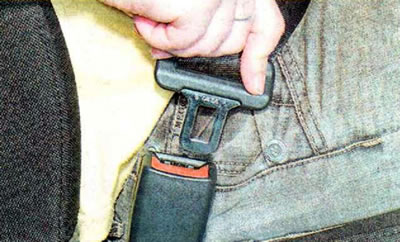
To unfasten the belt, press the button and pull the belt buckle out of the lock.
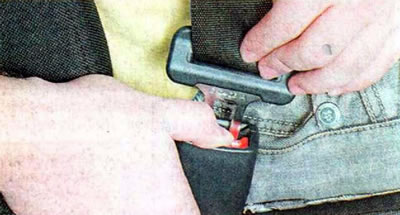
If the belt is blocked when pulled out abruptly, you must first release the belt and allow it to wind onto the inertia reel, and then smoothly pull it out again.
Warning. Incorrect seat belt height adjustment can result in additional injuries in an accident. If the belt has been subjected to critical stress in an accident or has tears, it should be replaced.
The front seat belts are height adjustable. To change the height, press the lock located on the central pillar and adjust the position of the belt.
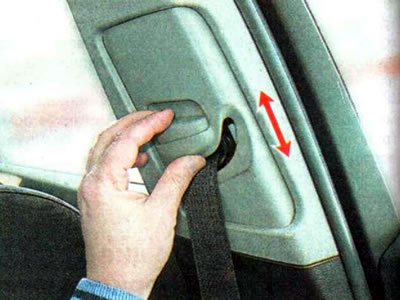
When adjusted correctly, the belt should pass through the center of the shoulder and not touch the neck.
The front seat belts are equipped with pretensioners, which in the event of an accident instantly tighten the belt and prevent the person's body from shifting forward.
Another element of the SRS passive safety system is the airbags. They are designed to complement the action of the belts and protect the driver and passengers from impact. In addition to the front airbags located under the steering wheel trim...
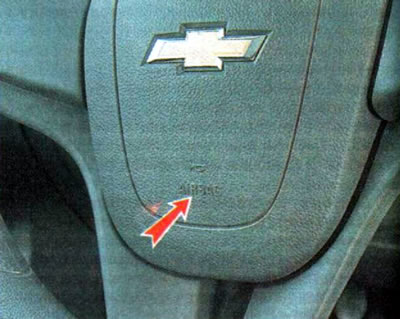
...and the instrument panel...
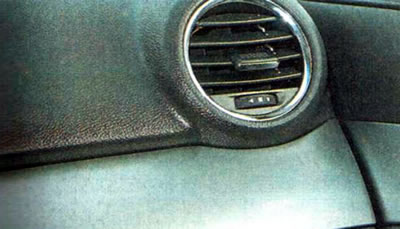
..side airbags are installed on the car, deploying downwards from the roof, seat backs or doors to protect front and rear passengers from side impacts and in the event of the car overturning. These airbags are called curtain airbags.
Warning. Transport children in the back seat. In vehicles equipped with a front passenger airbag, do not allow a child to travel in the front seat in a rear-facing child seat because a deploying airbag could cause serious injury to the child.
To prevent children from opening the doors from the inside, the rear door locks are equipped with a lock.
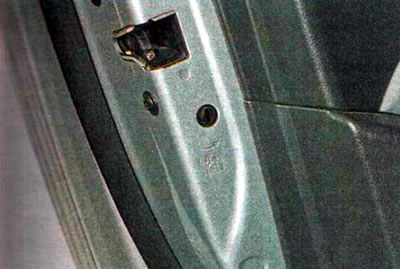
To lock with the car key, turn the lock retainer counterclockwise.
In addition to seat belts and airbags, passive safety elements include:
- 1) seat headrests. They protect the spine in the event of a rear-end collision;
- 2) trauma-safe steering column. In case of deformation, the steering shaft does not extend into the passenger compartment, but deforms and folds without causing harm to the driver;
- 3) strong elements of the body's power structure, in the event of a collision, should not change their shape and maintain the interior space;
- 4) programmable deformation zones of the body, unlike elements of the power structure, are purposefully deformed and absorb the impact energy without causing harm to the driver and passengers.