


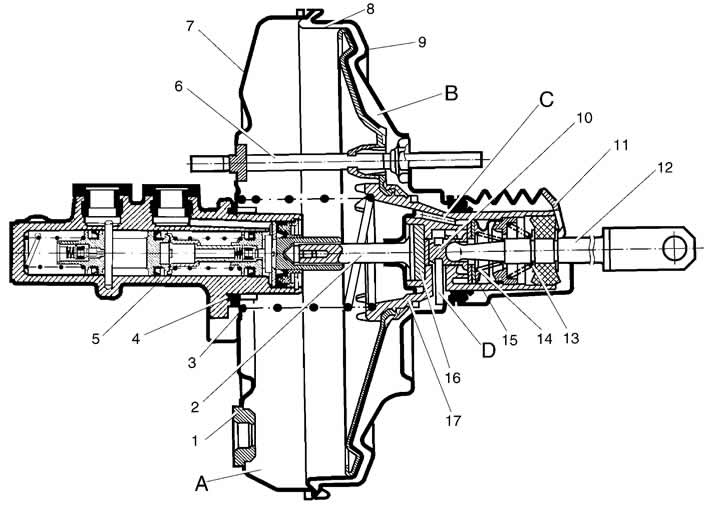
Figure 6-2. Brake booster 2123-3510006 (was installed on cars produced before 09.2005.):
1 - tip mounting flange;
2 - rod;
3 - diaphragm return spring;
4 - master cylinder flange sealing ring;
5 - master cylinder;
6 - amplifier pin;
7 - amplifier body;
8 - diaphragm;
9 - amplifier housing cover;
10 - piston;
11 - valve body protective cover;
12 - pusher;
13 - pusher return spring;
14 - valve spring;
15 - valve;
16 - rod buffer;
17 - valve body;
A - vacuum chamber;
B - atmospheric chamber;
C, D - channels.
Stop the brake pedal in the middle of its travel and start the engine. If the vacuum booster is working properly, the brake pedal should "go forward" after the engine starts.
If the pedal "does not go forward", check the hose connection to the vacuum booster check valve and the engine receiver fitting, the condition and connection of the check valve to the rubber flange of the booster and the flange to the booster.
When you press the brake pedal, air passes into the vacuum booster. In this case, you can hear the "hissing" of sucked-in air in the passenger compartment. If the "hissing" does not stop when the stationary (fixed) brake pedal, this indicates a leak in the vacuum booster. In this case, replace the vacuum booster.
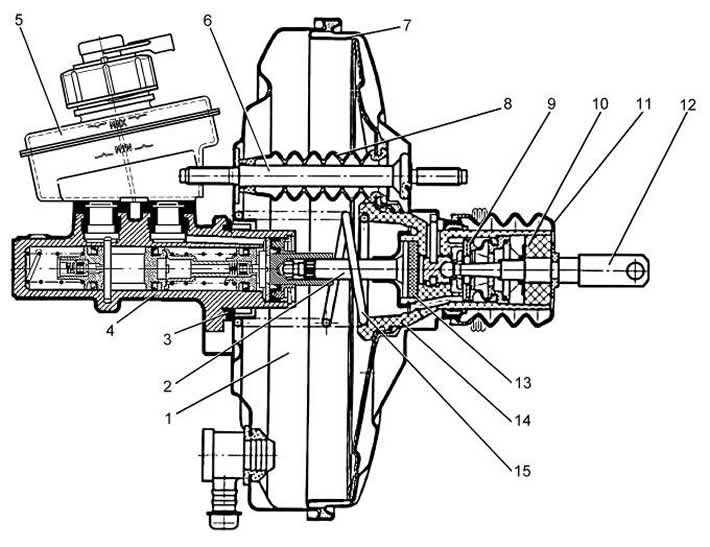
Figure 6-2a. Brake booster 2123-3510006-11 with master cylinder and reservoir assembly (installed on vehicles manufactured since 09.2005):
1 - amplifier body;
2 - rod;
3 - master cylinder flange sealing ring;
4 - master cylinder;
5 - tank;
6 - amplifier pin;
7 - diaphragm;
8 - sealing cover;
9 - valve;
10 - air filter;
11 - valve body protective cover;
12 - pusher;
13 - rod buffer;
14 - valve body;
15 - diaphragm return spring.