


2. Stop the vehicle on a level place with firm ground.
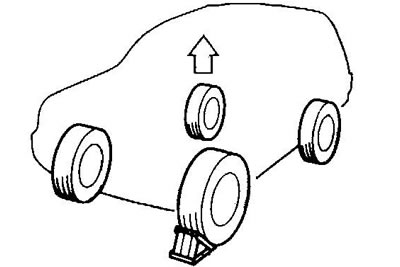
3. Stop the engine and turn on the hazard warning lights, place wheel chocks under the vehicle wheels.
Note: The wheels are blocked diagonally opposite the one that is being replaced.
4. Stop the engine, apply the parking brake and move the selector to position "P".
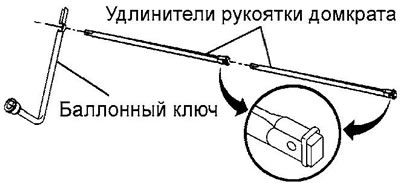
5. Remove the jack and tools. Assemble the extension and jack handle as shown in the figure.
6. Remove the spare wheel (see section "Spare wheel").
7. Replace the wheel.
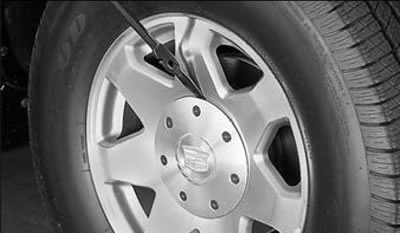
a) Insert the end of the wheel brace into the groove of the decorative cap and remove it.
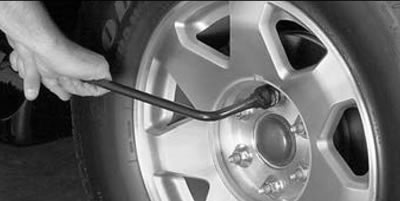
b) Loosen the mounting nuts of the wheel being replaced by one turn.
c) Place the jack next to the wheel to be replaced in the appropriate place (see the section "Jacking up the car").
Note:
- Make sure the jack is positioned correctly. Raising the vehicle with an improperly positioned jack can result in damage to the vehicle or the vehicle slipping off the jack.
- Never stand under a vehicle unless the vehicle is supported only by a jack.
- Use the jack only to raise the vehicle when changing a tire.
- Do not lift the vehicle if anyone is inside.
d) Turn the jack handle to raise the car, loosen the wheel nuts and remove the wheel.
Note: Only raise the vehicle high enough to remove the wheel.
d) Before installing the wheel, remove rust from the mounting surface with a wire brush or similar tool. Installing a wheel without good metal-to-metal contact on the mounting surface can cause the wheel nuts to loosen and even cause the wheel to come off while driving. Therefore, after the first 1,600 km, check the tightness of the nuts.
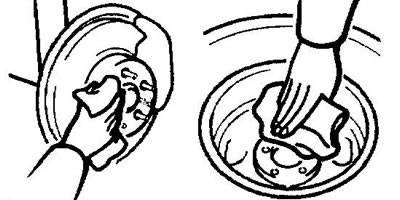
e) Install the spare wheel and tighten the mounting nuts by hand. Pay special attention to the installation of nuts/bolts that are installed with the centering cone inward.
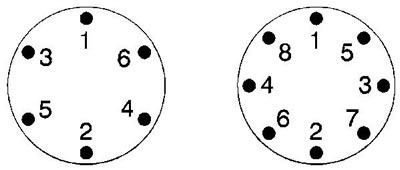
g) Lower the vehicle and tighten the wheel nuts in the sequence shown in the illustration. When tightening the nuts, do not use an extension wrench or press on it with your foot.
Tightening torque: 190 Nm.
c) Install the decorative cap.
8. Check the air pressure in the installed tire.
Note: Be sure to replace the tire valve cap as dirt and moisture may enter the valve, causing air leakage.
9. Before driving, make sure all tools, jack and spare tire are securely stored in their places to reduce the possibility of injury during a collision or sudden braking.
The article was borrowed from the website: «ChevyMan.ru»