

Contents: Visual inspection of the exhaust… ↧ Visual inspection of the steering ↧ Visual inspection of front and rear… ↧ Visual inspection of the brake system ↧ Visual inspection of the fuel system ↧ Visual inspection of wheel drive… ↧ Checking the wheels and their… ↧ Checking tire pressure ↧
To perform all the checks described in this section, the vehicle must be raised above head level.
Inspect the underside of the vehicle for loose fasteners, fuel leaks, missing components, and proper routing and fastening of lines.
Tighten fasteners and connections where fluid leaks are found.
Check the condition of the brake system: fluid supply lines, connecting hoses for the following faults:
- mechanical damage;
- liquid leaks;
- twisting;
- bloated.
Visual inspection of the exhaust system
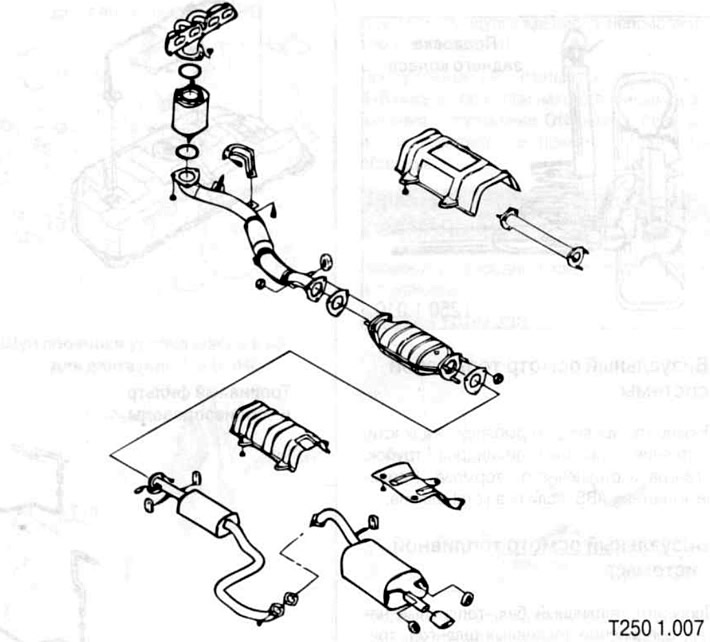
Check the exhaust system for any misaligned connections, points of contact with fixed body elements, burnouts, through corrosion, etc.
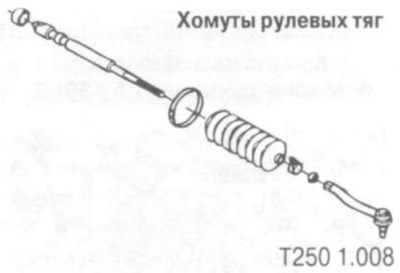
Visual inspection of the steering
Check the steering gear and linkage.
Check that the boot clamps are installed correctly.
Check the steering rod clamps.
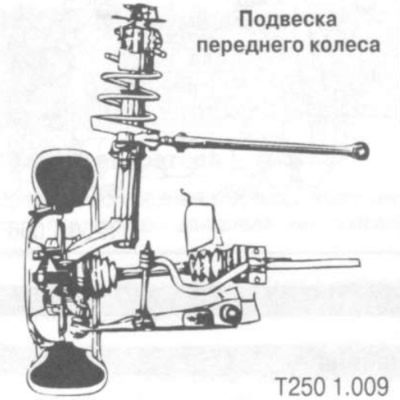
Visual inspection of front and rear wheel suspensions
Check the front and rear suspension for visible damage.
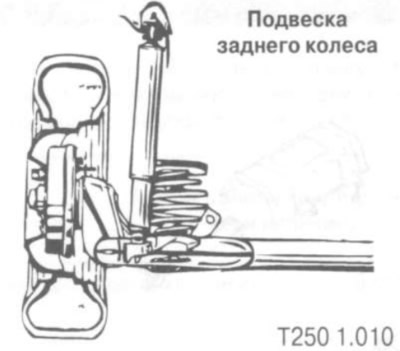
Visual inspection of the brake system
Check the brake fluid level, the condition of the brake cylinders, pipes, hoses and parking brake. Check the ABS system, if installed.
Visual inspection of the fuel system
Check the fuel tank, fuel pump, fuel hose connections, pipes, injectors, sensor and filter.
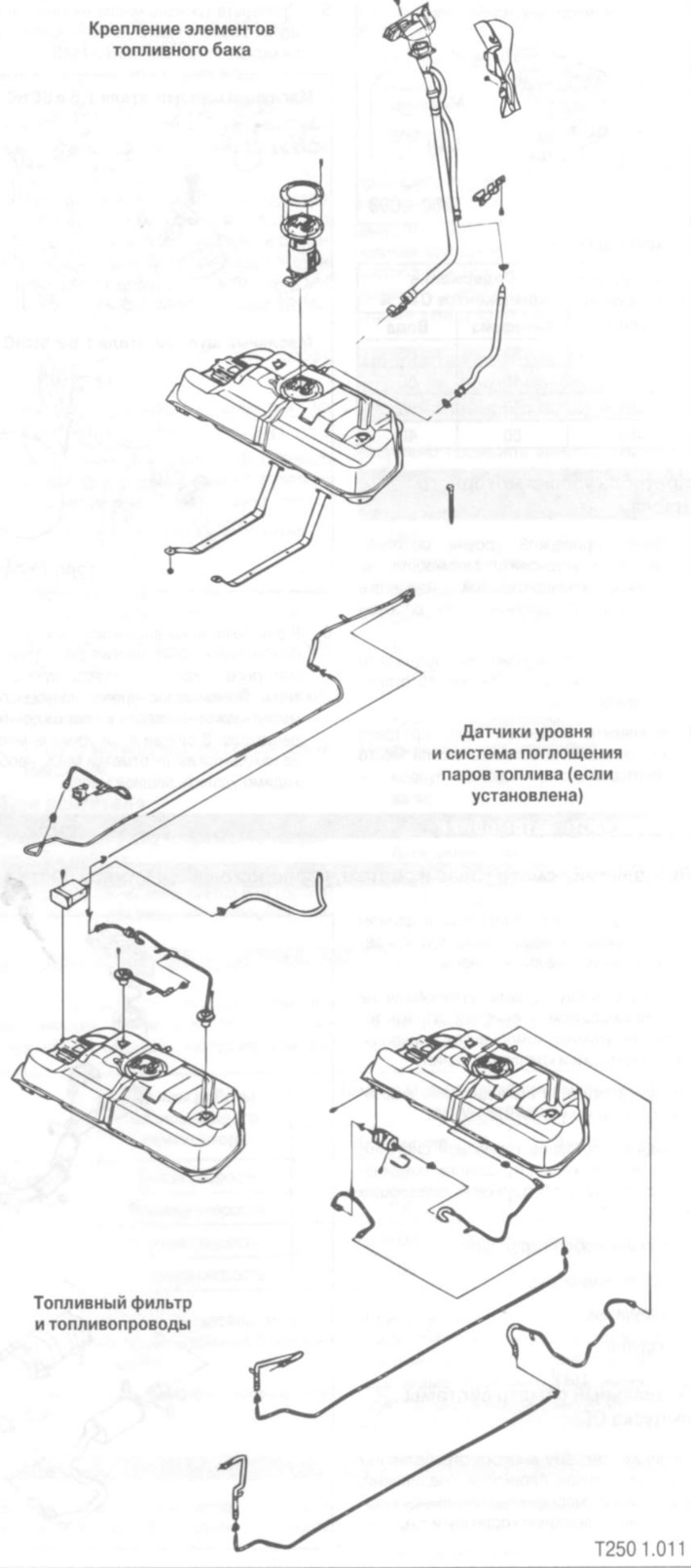
Visual inspection of wheel drive shafts
Check the drive shaft for rust, damage, twisting and the condition of its assembly.
Checking the wheels and their fastenings
Remove the caps and check the wheel studs and flange nuts.
Wheel stud tightening torque: 12 kg·m (120 N·m).
Checking tire pressure
| Tire size | Front | Rear |
| 155/80 R13 | 210 kPa | 210 kPa |
| 175/70 R13 | 210 kPa | 210 kPa |
| 185/60 R14 | 210 kPa | 210 kPa |
[The original article is on the website «ChevyMan.ru»]