


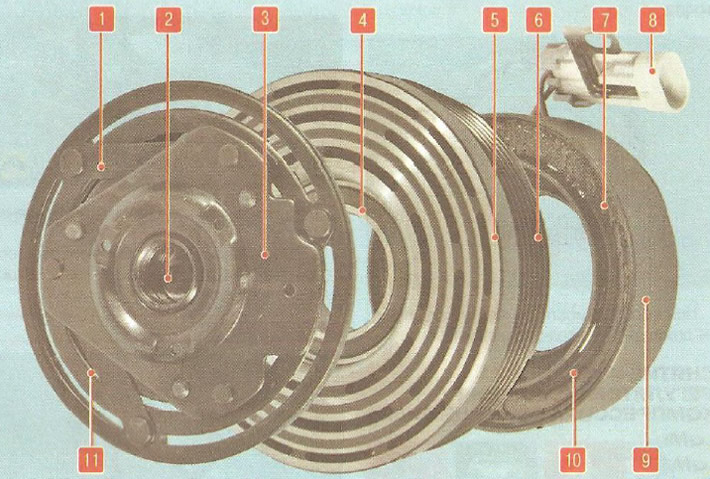
Fig. 12.5. Compressor drive electromagnetic clutch: 1 - elastic steel leash; 2 - threaded hole of the disc hub; 3 - driven clutch disc; 4 - inner bearing race; 5 - bearing; 6 - working surface of the pulley; 7 - pulley grooves; 8 - Electrical connector block; 9 - electromagnet housing; 10 - electromagnet winding; 11 - clutch pressure plate
When operating a car, compressor clutch failure is a very common malfunction. As a rule, bearing 5 (Fig. 12.5) of the pulley begins to deteriorate first. The cause may be incorrect tension of the drive belt, water getting in when driving through a deep puddle, slipping of the pressure plate and, consequently, overheating of the bearing, etc. As the bearing deteriorates, play begins to appear. When the play reaches a critical value, the inner surface of the pulley begins to rub against the surface of the housing 9 of the electromagnet coil during rotation.
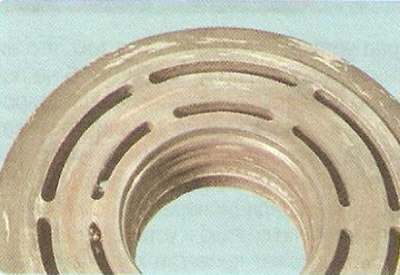
As a result of friction, the parts heat up and the insulation of the winding 10 of the coil begins to burn out. An electrical short circuit occurs - the electromagnet fails. In the most advanced cases, the bearing jams and the inner race of the bearing 5 rotates on the landing neck of the compressor cover. After this, it is necessary to carry out an expensive replacement of the compressor in a specialized service,
To avoid unnecessary expenses, pay attention to unusual noises when inspecting the car from the air conditioner compressor. If you suspect problems with the pulley bearing, remove the drive belt (see "Replacement of auxiliary drive belt") and turn the pulley by hand. It should rotate on the bearing evenly, silently, without jamming. There should be no axial or radial play.
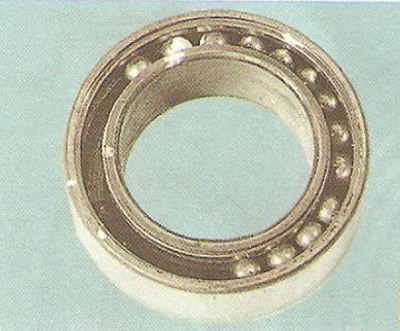
If necessary, replace the bearing without waiting for it to completely fail.